Opalescent Glass
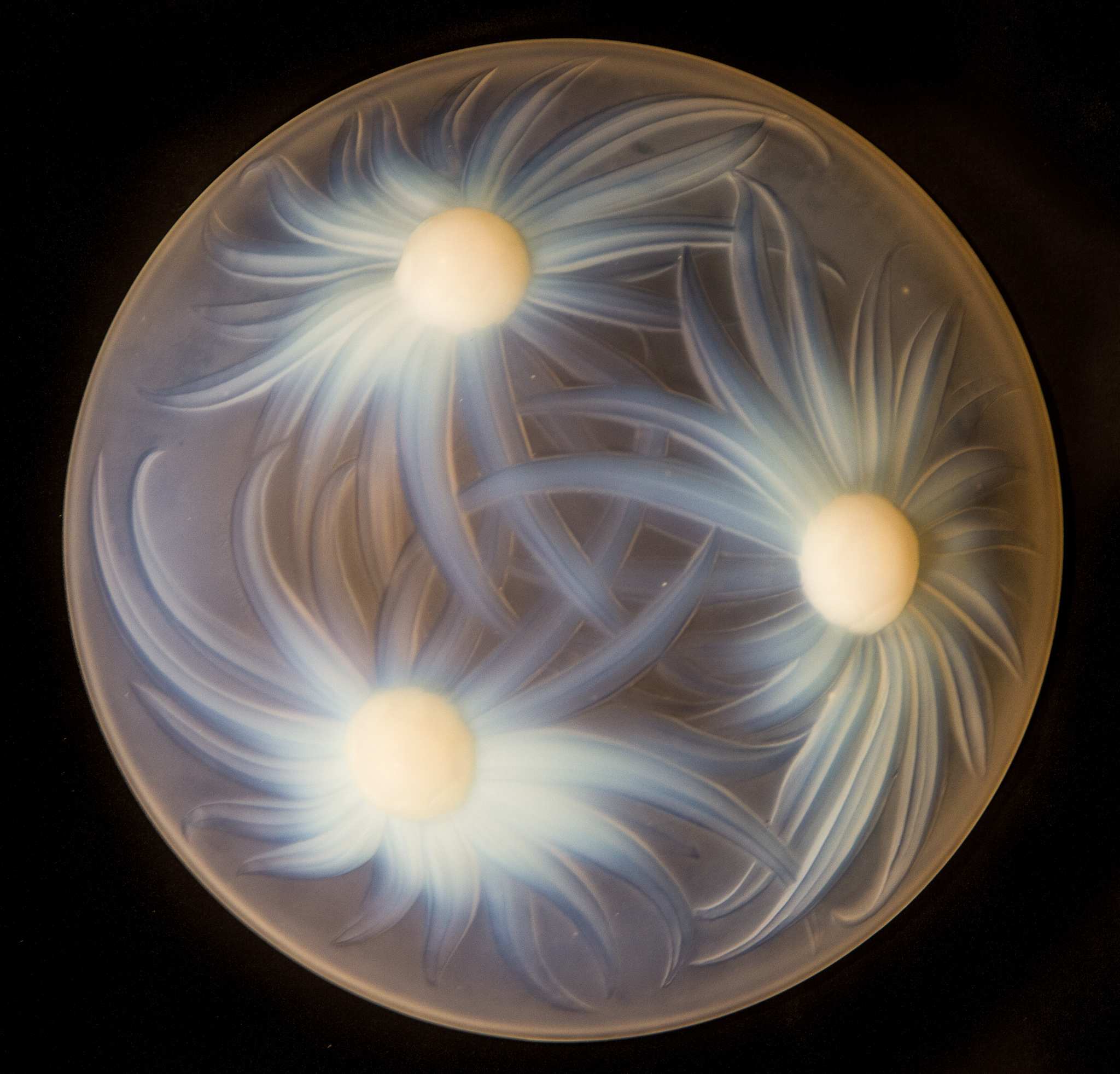
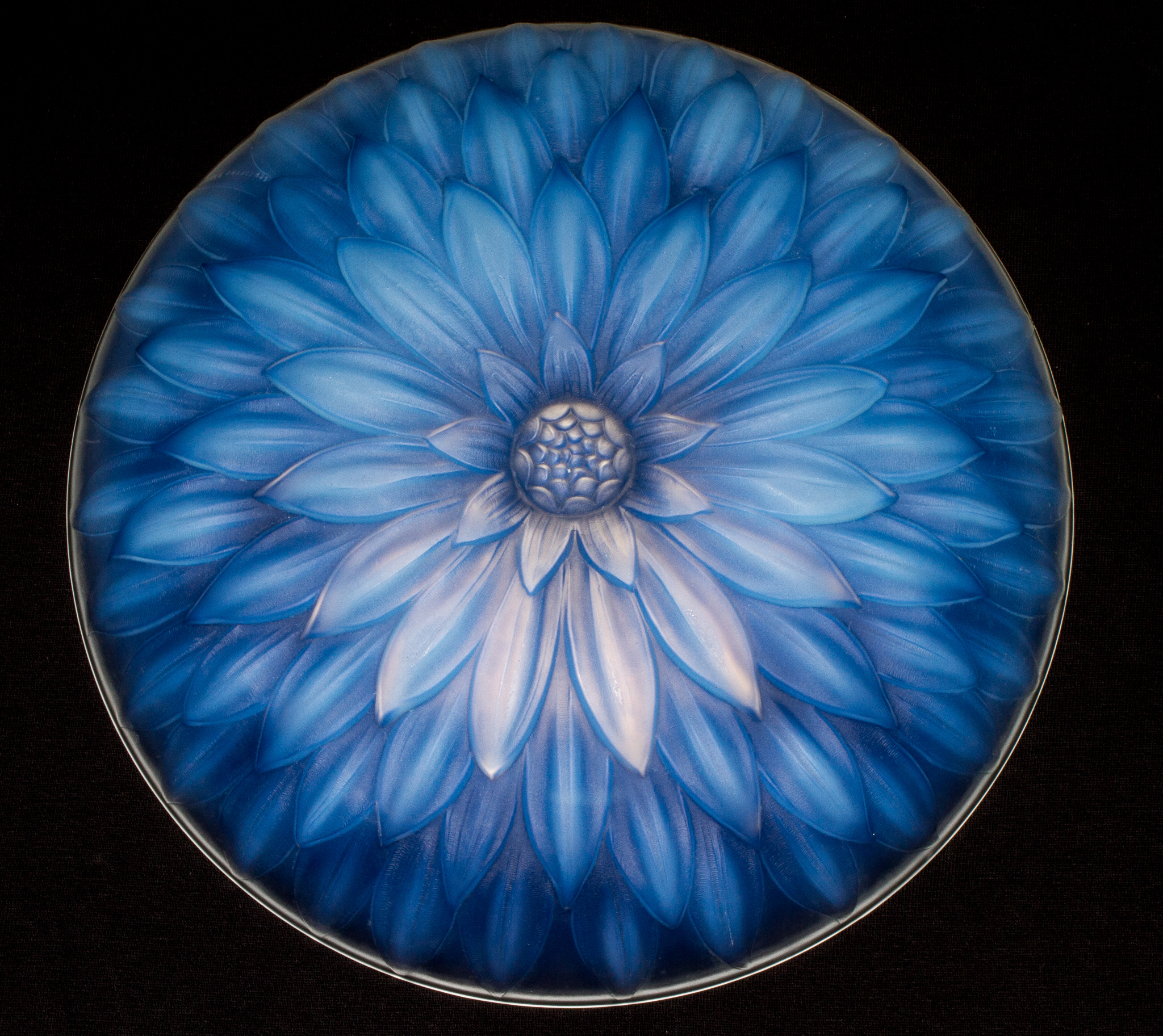
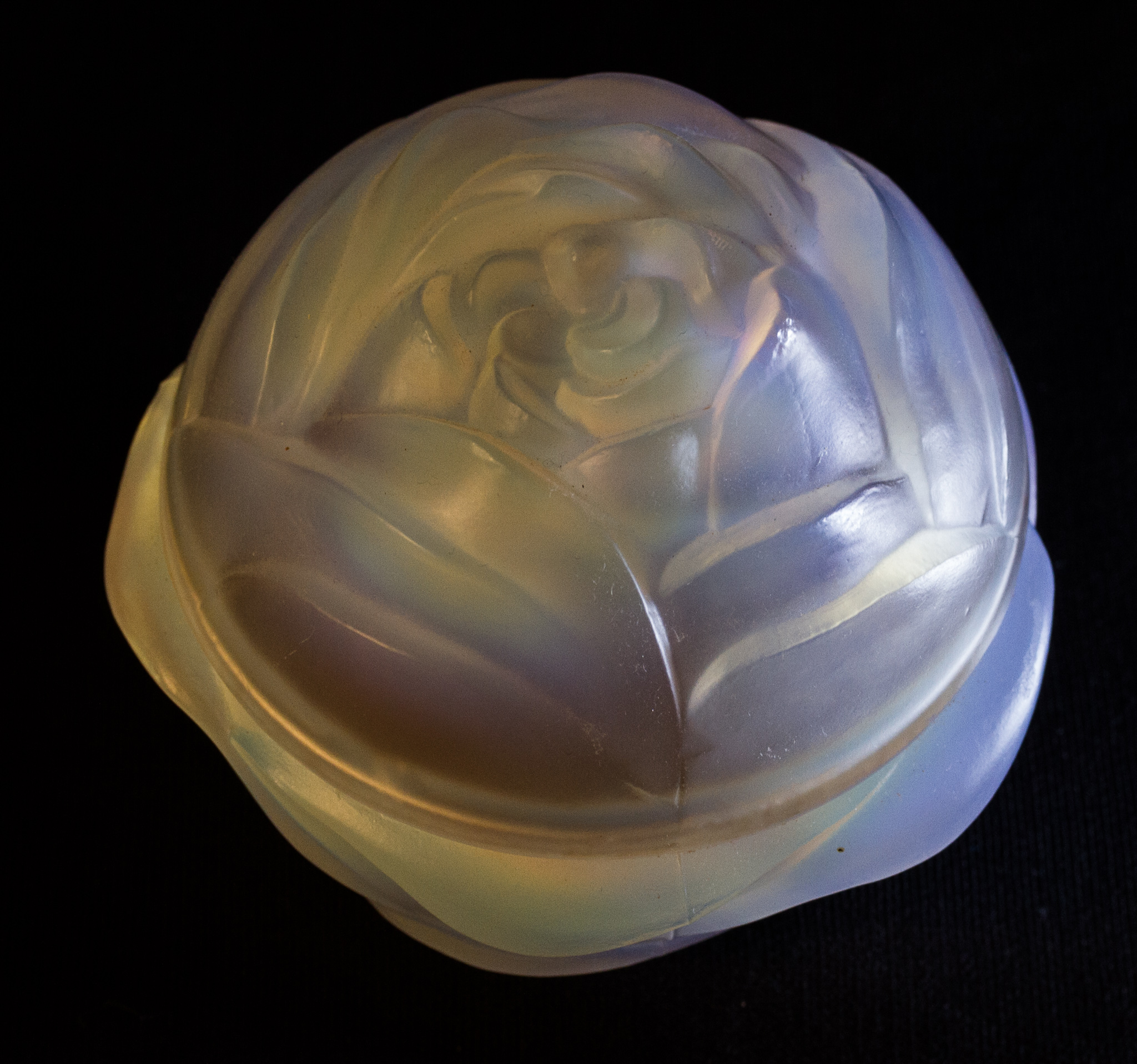
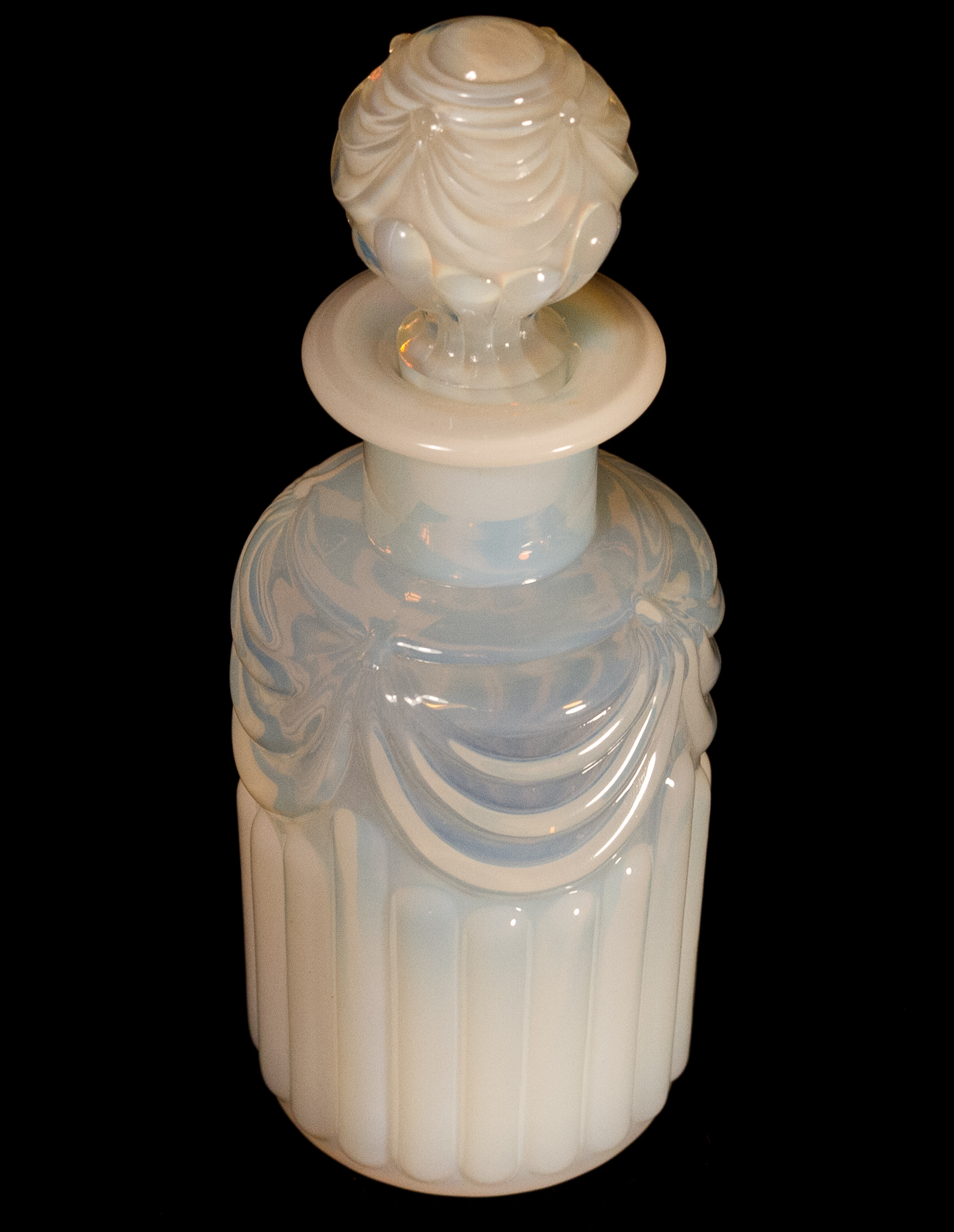
The French opalescent glass like those created by Sabino, Etling, Pierre D’Avesn, André Hunebelle and René Lalique can instantly change colour from milky blue to creamy purple. It also has the ability to appear in translucent golden amber when the light shines on the surface.
The opalescent colour is produced by the slower cooling of the molten glass in its thicker parts, causing some crystallization inside the glass.
The production of opalescent glass was also dangerous for the health of craftsmen: the fact is that extraordinarily toxic arsenic oxide was added to give these amazing shimmering shades.
Artistic French glass was produced in very small editions as its production was too laborious and expensive. It fell immediately into the family collections of wealthy people. For limited art editions, wooden molds were typically made from special types of hard wood, such as pear, aspen, or beech. Their dense wood, which evenly burns out under the glass mass, ensuring a high-quality finish.
It is known that glass was used as a material for decorative and applied arts only during periods of economic prosperity. Consequently, after the Second World War, there was no effort to restore the lost technologies of opalescent glass, opting instead for cheaper and simpler methods.
ReArtDeco in stock